What All Can Dogs Eat: A Guide to Safe Foods for Dogs
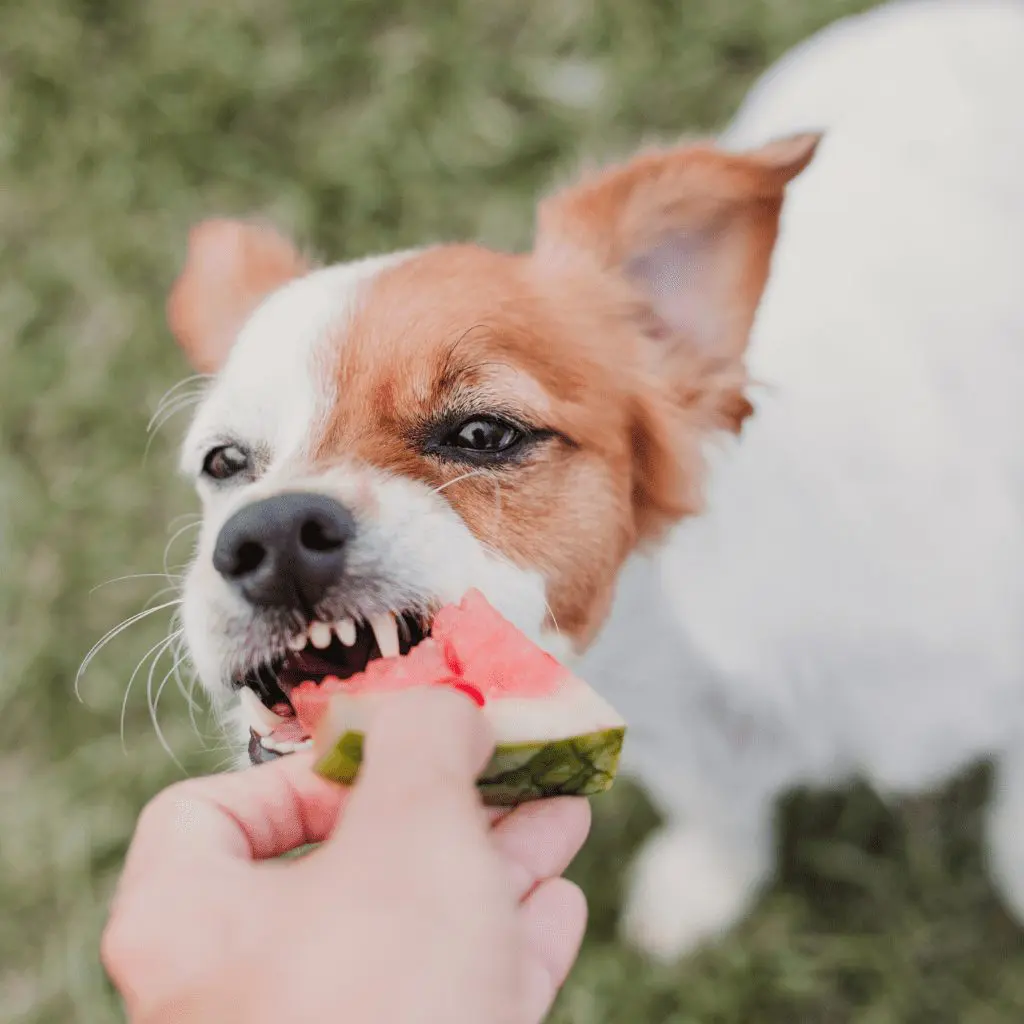
When it comes to feeding your dog, it’s easy to think a small bite from your plate is harmless. But not all human foods are safe, and some can even be dangerous. Understanding dog safe foods is one of the simplest ways to protect your pet’s health and avoid unnecessary trips to a vet clinic.
At Spall and Harvey Animal Hospital, a trusted Kelowna vet clinic, one of the most common questions is what dogs can eat safely. This guide will walk you through safe options, healthy vegetables, and foods to avoid so you can make confident decisions for your dog every day.
Why Knowing What Dogs Can Eat Matters for Their Health
Dogs process food differently than humans, which means even common ingredients can have unexpected effects. While some foods are harmless or even beneficial, others can cause digestive upset or serious health issues.
Understanding dog safe foods helps prevent:
- Stomach issues like vomiting or diarrhea
- Long-term nutritional deficiencies
- Accidental poisoning from harmful ingredients
Many pet owners search “what can dogs eat?”, but the real value lies in knowing which foods are consistently safe and how often they should be given. Even dog-safe foods should be fed in moderation and alongside a balanced diet. If you’re unsure about introducing new foods, consulting a veterinary hospital near you ensures your dog’s specific needs are taken into account.
Dog Safe Foods Pet Owners Can Feel Good About Sharing
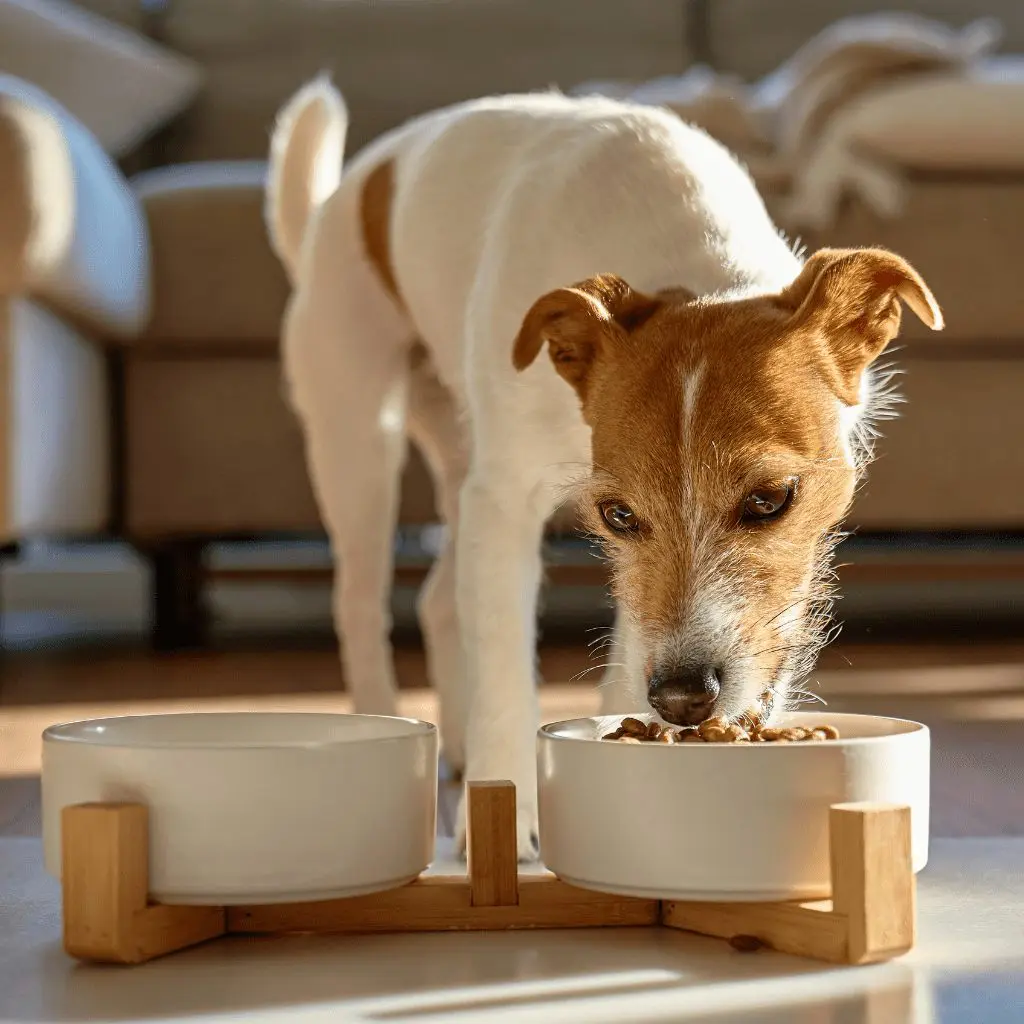
There are several dog-safe foods that can be shared occasionally as treats or meal toppers. These foods can provide extra nutrients and variety, making your dog’s diet more enjoyable.
Some popular dog safe foods include:
- Cooked lean meats like chicken, turkey, and beef
- Plain rice or pasta for sensitive stomachs
- Fully cooked eggs as a protein boost
- Apples without seeds for a crunchy snack
- Blueberries for antioxidants
These dog-safe foods are easy to prepare and are generally well tolerated by most dogs when served in small portions. Lean proteins can be especially helpful for active dogs, while plain rice is often one of the more common dog safe foods recommended when a dog is dealing with mild digestive upset. Fruits like apples and blueberries can also work well as occasional treats for pet owners looking for healthier alternatives to packaged snacks.
That said, not every safe food needs to become a daily habit. Dog safe foods should still be considered extras, not replacements for a complete and balanced dog food. Too many treats, even healthy ones, can upset your dog’s stomach or add unnecessary calories over time.
Preparation also matters. Avoid seasoning, butter, oils, garlic, onions, or rich sauces, since these can quickly turn otherwise dog-safe foods into something your pet should not have. When deciding what dogs can eat, it is usually best to keep it simple, plain, and easy to digest. If you would not serve it plain, it likely does not belong on the list of dog-safe foods.
Dog Safe Vegetables and Other Healthy Foods for Dogs
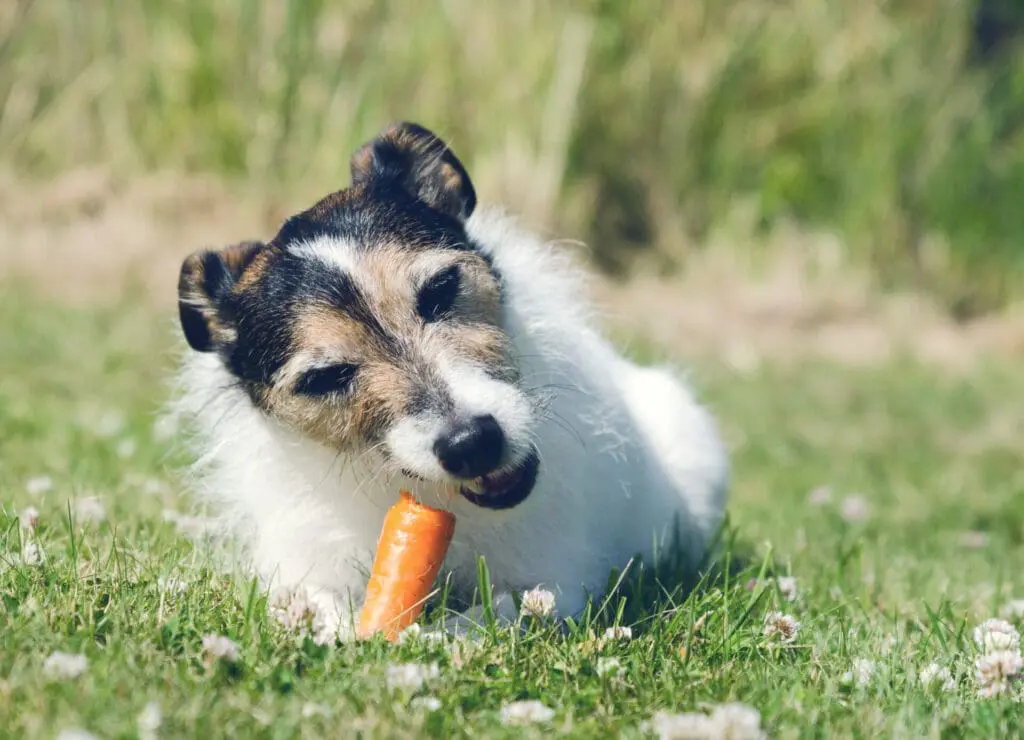
Vegetables are an excellent addition to your dog’s diet when chosen carefully. Dog safe vegetables offer fibre, vitamins, and hydration while being low in calories.
Here are some vegetables good for dog diets:
- Carrots: which support dental health and provide a satisfying crunch
- Green beans: a fibre-rich option that helps with weight management
- Sweet potatoes: packed with nutrients when cooked and served plain
- Cucumbers: a hydrating snack, especially in warmer months
- Pumpkin: known for supporting digestive health
These dog-safe vegetables are some of the most reliable foods you can include in your pet’s routine. They are especially helpful for dogs that need low-calorie treats or additional nutrients. When exploring what dogs can eat, vegetables are often overlooked, but they can be one of the healthiest categories of dog-safe foods when prepared properly. Always introduce new vegetables slowly and monitor your dog for any reactions.
What Are Toxic Foods for Dogs? Common Foods to Avoid
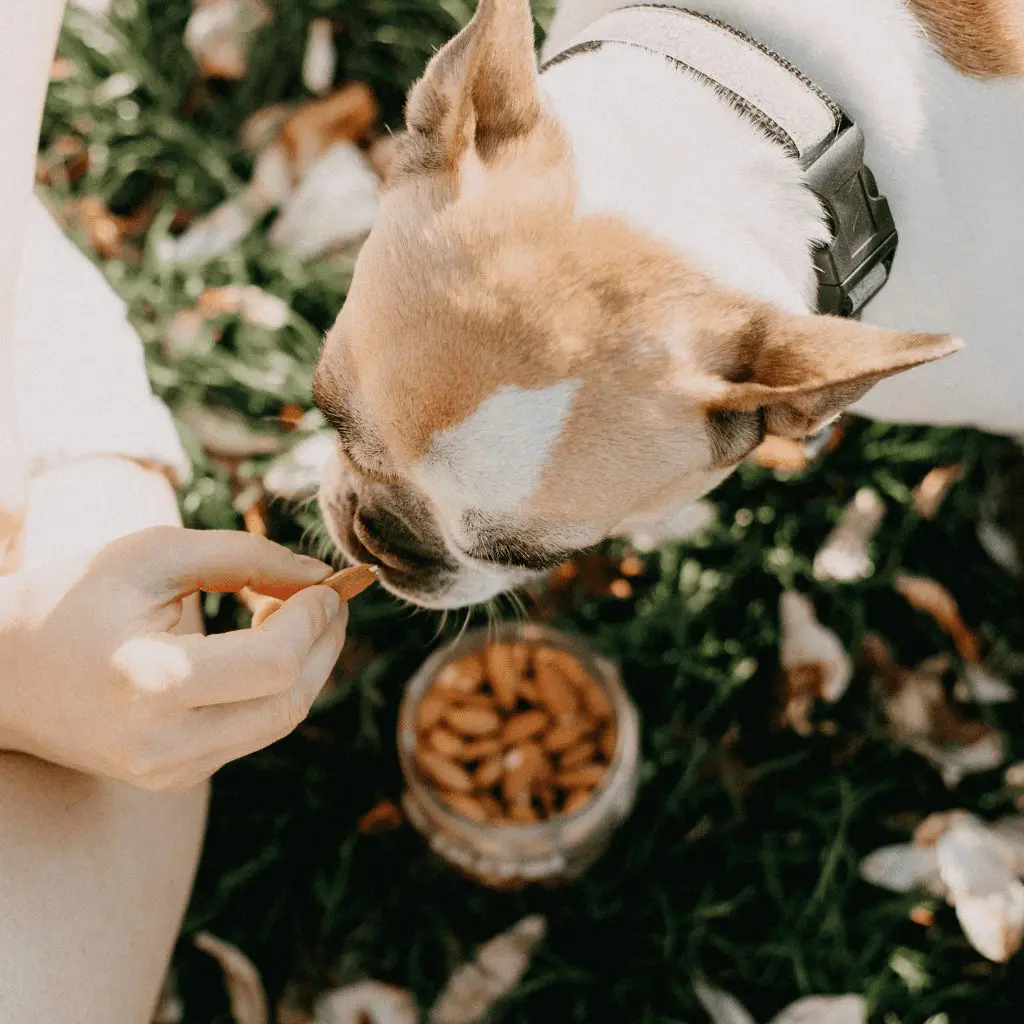
Just as there are many dog safe foods, there are also foods that should never be shared. Understanding what toxic foods for dogs are essential for preventing serious health risks.
Common poisonous foods for dogs include:
- Chocolate, which contains compounds toxic to dogs
- Grapes and raisins are linked to kidney failure
- Onions and garlic, which can damage red blood cells
- Xylitol, a sweetener found in sugar-free products
- Alcohol and caffeine are both highly dangerous, even in small amounts
These are not foods to experiment with. Even a small amount can lead to severe symptoms and require immediate care from a vet clinic. Many pet owners ask what dogs can eat without realizing how common some of these toxic foods are in everyday kitchens. Knowing the difference between dog-safe foods and dangerous ones can help you avoid emergencies.
When to Call a Vet Clinic About Poisonous Foods for Dogs
Even with the best intentions, accidents can happen. Dogs are curious, and it only takes a moment for them to get into something they shouldn’t.
You should contact a vet clinic right away if your dog shows:
- Vomiting or diarrhea
- Lethargy or unusual behaviour
- Tremors or seizures
- Excessive drooling
- Loss of appetite
If you suspect your dog has eaten any poisonous foods for dogs, don’t wait for symptoms to worsen. Early intervention can prevent more serious complications. If you are looking for an expert Kelowna vet, Spall and Harvey Animal Hospital provides reliable care and guidance when you need it most. Whether you’re dealing with an emergency or simply unsure about what dogs can eat, our team is there to help.
Helping Your Dog Thrive in Kelowna With the Right Food Choices
Knowing safe dog foods gives you confidence as a pet owner and helps your dog live a healthier life. From choosing the right snacks to avoiding harmful ingredients, every decision you make plays a role in your dog’s well-being. If you’re still unsure about what dogs can eat or want personalized advice, visiting our Kelowna vet clinic is the best next step. When it comes to your dog’s health, understanding dog-safe foods is one of the most important things you can do. Book your next appointment today.


Book Your Appointment
Big love starts with a little checkup—book your pet’s visit today and keep the tail wags coming.