Dog Spay Incision Healing: What Kelowna Pet Owners Should Expect
Choosing dog sterilization is an important part of responsible pet care, but the procedure itself is only one stage of the process. A safe recovery also depends on careful monitoring, appropriate activity restrictions and consistent at-home care.
For many pet owners, the incision is the most concerning part of dog sterilization recovery. A small amount of redness may be normal during the first few days, but how much swelling is too much? What happens if your dog licks the surgical area? How can you tell the difference between normal healing and a possible infection?
Understanding the typical recovery process can help you feel more prepared and make it easier to recognize when your dog may require veterinary attention.
Whether your pet has undergone a dog spay or a neutering procedure, always follow the discharge instructions provided by your veterinarian. Every dog is different, and recommendations may vary depending on your pet’s age, health, surgical procedure and prescribed medications.
Understanding the Dog Spay Incision Healing Process
A dog spay is an abdominal surgery during which the reproductive organs are removed through a carefully closed incision. Male dog sterilization is generally less invasive, and the neutering incision is commonly located near the scrotal area. During the first 12 to 24 hours after surgery, your dog may appear sleepy, unsteady or less interested in food. These temporary effects can occur as the anaesthesia wears off. Your dog should still be responsive, able to rest comfortably and capable of completing basic activities such as standing and going outside for a bathroom break.
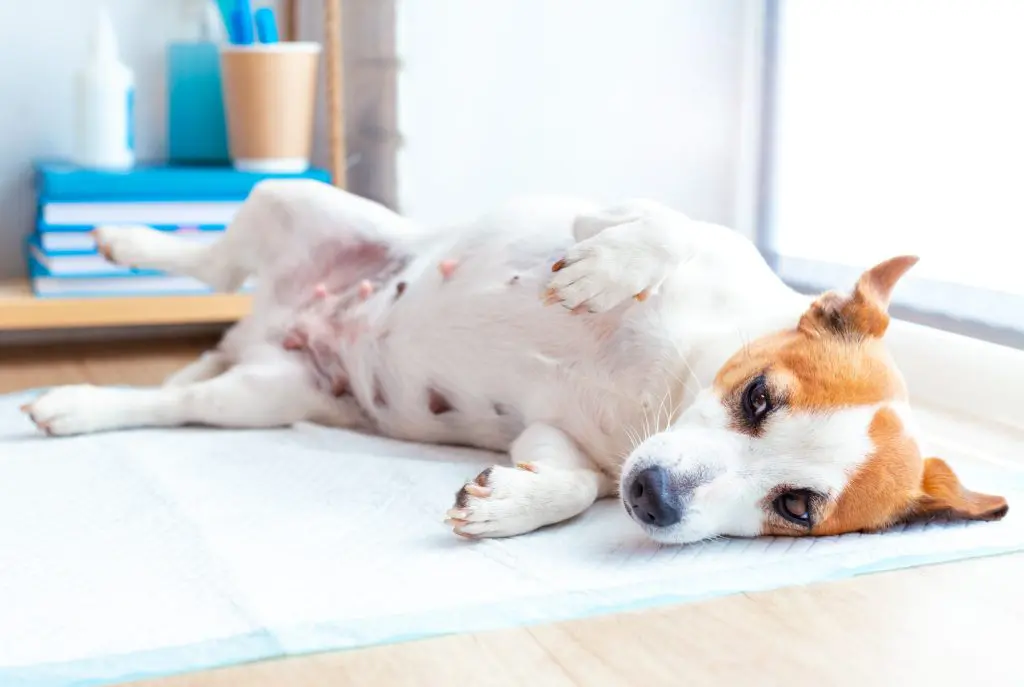
Over the next several days, the body begins repairing the tissue beneath the skin. The edges of the spay incision should remain together, and a small amount of pinkness, bruising or mild swelling may be visible. Most routine dog sterilization incisions require approximately 10 to 14 days to heal. However, the exact recovery period depends on the dog and the procedure. Your veterinarian may recommend a longer period of rest if the surgery was more complicated or if your dog is especially active.
One of the biggest challenges during dog sterilization recovery is that dogs often feel better before the deeper tissue has fully healed. Your dog may seem ready to run, climb stairs or jump onto furniture within only a few days. Activity restrictions must still be followed because sudden movement can place pressure on the healing tissue beneath the skin. The first few days are usually the most important for close monitoring. As recovery continues, the incision should gradually become less red, less swollen and less noticeable.
What a Normal Spay Incision Should Look Like
A normal spay incision should generally appear clean, dry and completely closed. The edges of the skin should rest together without visible gaps. During the first few days, you may notice mild redness around the incision line, particularly if your dog has pale skin or a thin coat. A small amount of localized swelling or bruising may also occur. These changes should remain limited and gradually improve rather than becoming more noticeable each day.
A normally healing incision may have the following characteristics:
- The skin edges remain closed
- The incision is dry rather than wet or sticky
- Mild redness decreases over time
- Swelling is limited and does not continue expanding
- There is no unpleasant odour
- There is no active bleeding
- There is no yellow, green or cloudy discharge
Check the incision at least once a day in a well-lit area. Taking a clear photograph when your dog first arrives home can give you a helpful comparison point throughout the dog sterilization recovery period. Do not pull, stretch or press on the incision while inspecting it. The area may be sensitive, and unnecessary handling can irritate the tissue.
A neutering incision can look slightly different from a spay incision. Mild bruising or limited swelling may appear near the scrotum after surgery. However, rapidly increasing swelling, ongoing bleeding or discharge should be discussed with your veterinarian. You may also notice a small amount of dried blood near the incision shortly after surgery. This can sometimes be expected, but fresh or continuous bleeding is not considered normal.
Every dog sterilization procedure is different. When you are uncertain about the appearance of the incision, contact your veterinary team rather than relying only on photos or descriptions found online.
Signs of Infection or Complications After a Dog Spay
Complications are not expected after routine dog sterilization, but pet owners should know which changes may require prompt attention. Infection, wound irritation, fluid accumulation or incision separation can occur, especially when a dog licks the surgical site or becomes too active.
Contact a veterinarian if you notice:
- Redness that is spreading or becoming darker
- Swelling that continues to increase
- Yellow, green, cloudy or bloody discharge
- A strong or unpleasant odour
- Missing sutures or staples
- A visible gap between the skin edges
- Continuous or recurring bleeding
- Significant warmth around the incision
- Persistent crying, shaking or signs of pain
- Repeated vomiting
- Severe lethargy or weakness
- Difficulty standing, walking, urinating or defecating
A small lump may sometimes form beneath a spay incision during healing. However, it can be difficult to determine whether the lump is related to normal tissue repair, a reaction to sutures, trapped fluid or another concern.
Do not squeeze, massage or apply products to the lump. Contact your Kelowna vet clinic and describe what you are seeing. The veterinary team may ask for a photo or recommend an in-person examination. An infected spay incision should not be left untreated. Early veterinary care can prevent the condition from worsening and help protect the deeper surgical tissue. Changes in your dog’s overall behaviour are also important. A dog that appears increasingly uncomfortable, refuses food, repeatedly vomits or becomes unusually quiet may need veterinary attention even if the incision does not look severely abnormal.
How to Care for Your Dog’s Spay Incision at Home
Proper dog sterilization aftercare focuses on keeping the incision protected while your dog’s body heals. Always prioritize the instructions provided by your veterinarian, as they are based on your dog’s specific procedure and health needs.
Prevent licking and chewing
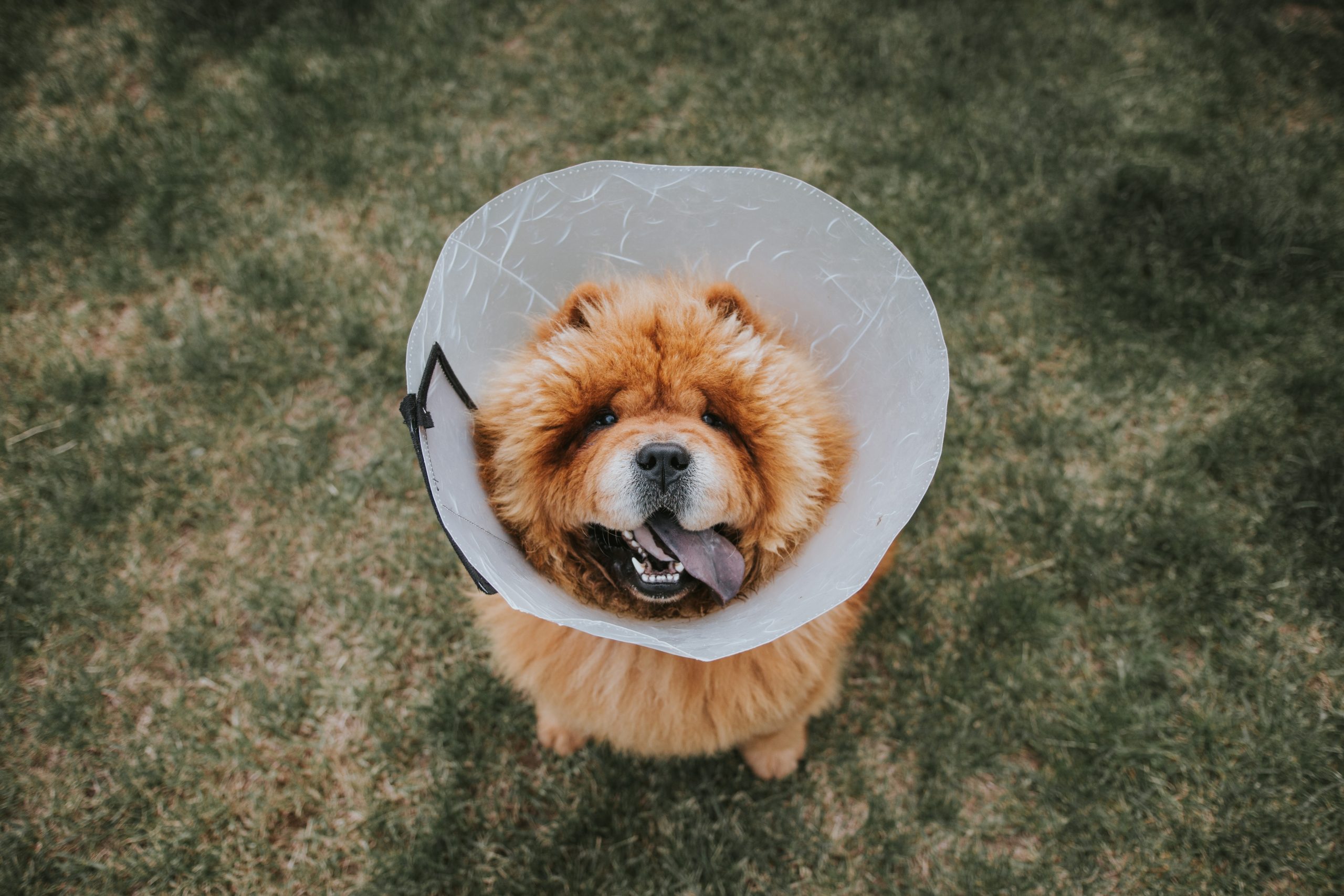
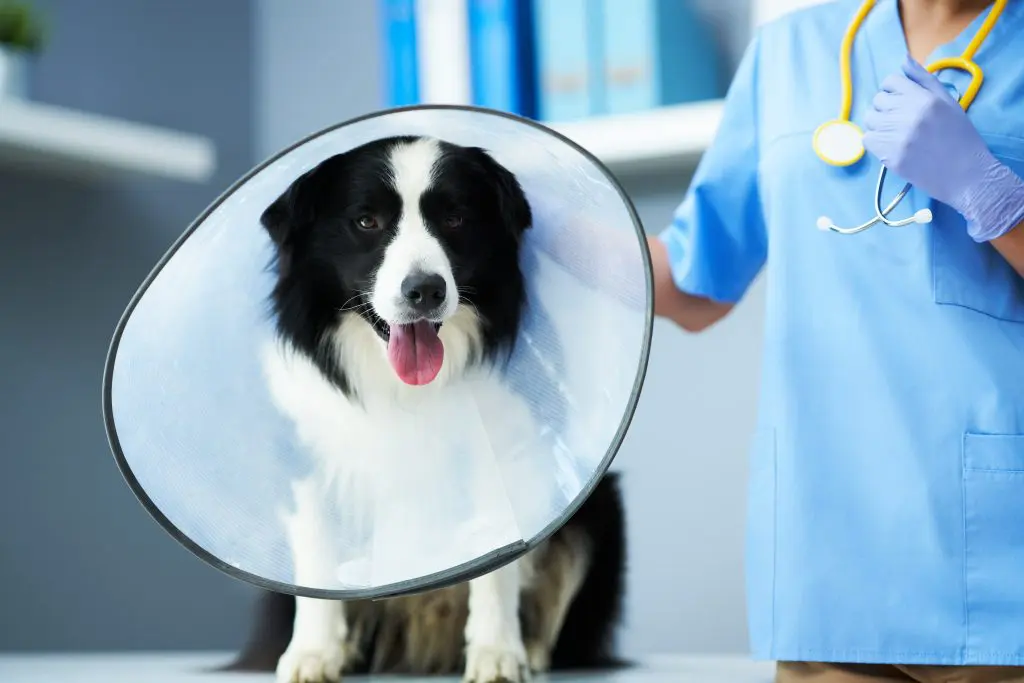
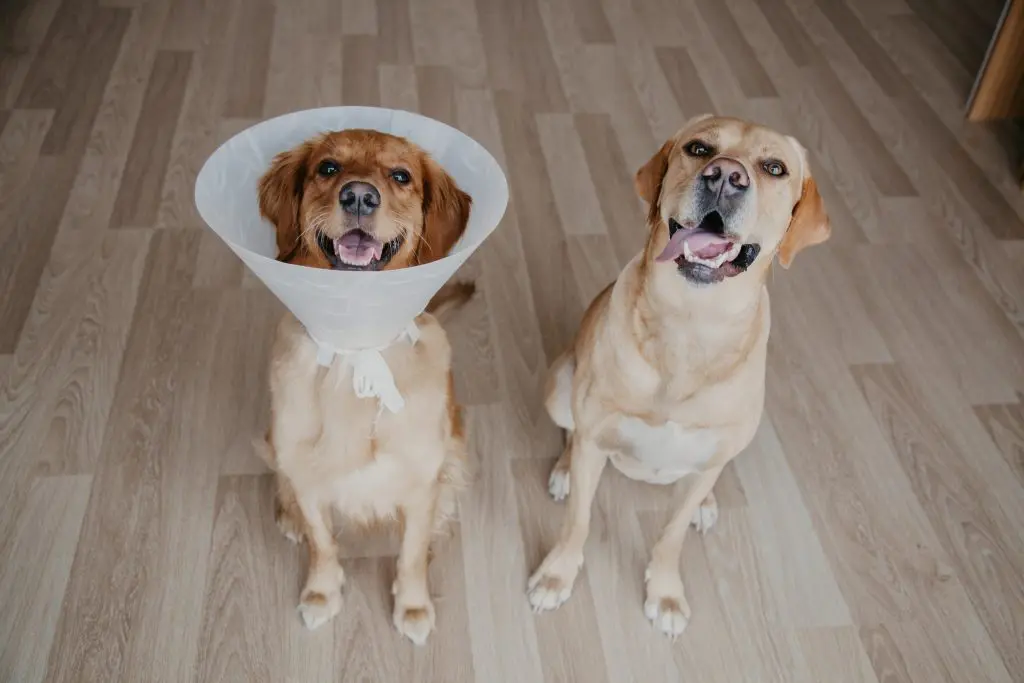
Keep the prescribed cone, recovery suit or protective device in place for the full period recommended by your veterinarian. Even a few minutes of licking can irritate the incision, introduce bacteria or damage the closure.
Your dog may dislike wearing a cone, but removing it too early can create a serious setback. Make sure the protective device fits properly and prevents your dog from reaching the incision.
Limit physical activity
Take your dog outside on a leash for short bathroom breaks. Avoid running, jumping, rough play, long walks and off-leash activity. When practical, limit stair use and prevent your dog from jumping onto beds, couches or other furniture.
Dogs often regain their energy quickly, but the internal tissues still need time to heal after dog sterilization. A burst of activity can place stress on the incision even when the surface appears normal.
Keep the incision dry
Do not bathe your dog or allow swimming until the veterinary team confirms the incision has healed. Moisture can soften the tissue and increase the risk of irritation or infection. If the incision becomes dirty, contact your veterinarian before attempting to clean it.
Avoid unapproved cleaning products
Do not apply hydrogen peroxide, rubbing alcohol, essential oils, ointments or human wound-care products unless your veterinarian specifically recommends them. These products may irritate the skin, damage healthy tissue or delay healing. The incision is usually meant to remain untouched unless your veterinary team gives you different instructions.
Give medication as prescribed
Follow the exact dosage and schedule provided for pain relief or other medications. Never give your dog human pain medication unless a veterinarian has directly instructed you to do so.
Contact your vet clinic in Kelowna if your dog vomits after taking medication, refuses a dose or appears to experience an unexpected reaction.
Create a quiet recovery area
Set up a comfortable crate, exercise pen or small room where your dog can rest without being encouraged to play. Keep energetic pets and young children away when your dog needs uninterrupted recovery time. Soft bedding, access to fresh water and a calm environment can help make dog sterilization recovery more comfortable.
Check the incision daily
Look for changes in redness, swelling, discharge or separation. Compare the incision with the photo taken at the beginning of recovery. Checking the incision at the same time each day can make subtle changes easier to notice.
Attend follow-up appointments
External sutures or staples may need to be removed. Even when the incision looks healed, attend any recommended follow-up visits so the veterinary team can confirm that recovery is progressing properly. Dog sterilization recovery can become frustrating when your pet feels energetic but still requires rest. Calm food puzzles, gentle attention and veterinarian-approved enrichment can help prevent boredom without encouraging excessive movement.
When to Contact a Kelowna Vet Clinic During Recovery
You do not need to wait until a complication appears severe before contacting your veterinarian. Call whenever the incision changes unexpectedly, your dog removes a suture, the protective collar is not working or your dog’s behaviour concerns you.
Seek prompt veterinary guidance when:
- The incision opens
- Bleeding continues or returns
- Discharge or an unpleasant odour develops
- Swelling increases quickly
- Your dog appears weak or distressed
- Your dog shows signs of significant pain
- Your dog repeatedly vomits
- Your dog cannot rest comfortably
- Your dog has been licking or chewing the incision
- Your dog refuses food or water longer than expected
When contacting a veterinary clinic in Kelowna, be prepared to explain the date of the procedure, the changes you have noticed, your dog’s appetite, current energy level and whether all medications have been given as directed. Clear information and recent photographs may help the veterinary team determine whether your dog should be examined in person.
A Kelowna vet clinic can also help when the incision appears normal but you are concerned about your dog’s behaviour. Recovery involves more than the visible surgical site, so changes in appetite, mobility, breathing, bathroom habits or awareness should not be ignored.
Supporting a Safe and Comfortable Sterilization Recovery
Dog sterilization is a routine procedure, but recovery still requires close attention. A clean and closed incision, gradual improvement and controlled activity are reassuring signs. Increasing redness, swelling, bleeding, discharge, odour or separation of the skin should prompt a call to your veterinarian.
By checking the incision daily, preventing licking and following all postoperative instructions, you can reduce avoidable risks and support a more comfortable dog sterilization recovery. Contact Spall and Harvey Animal Hospital if you have concerns about a spay incision, neutering incision or your dog’s recovery following dog sterilization.

Book Your Appointment
Big love starts with a little checkup—book your pet’s visit today and keep the tail wags coming.