Dog Dental Care: Teeth Cleaning and Dental Disease Prevention
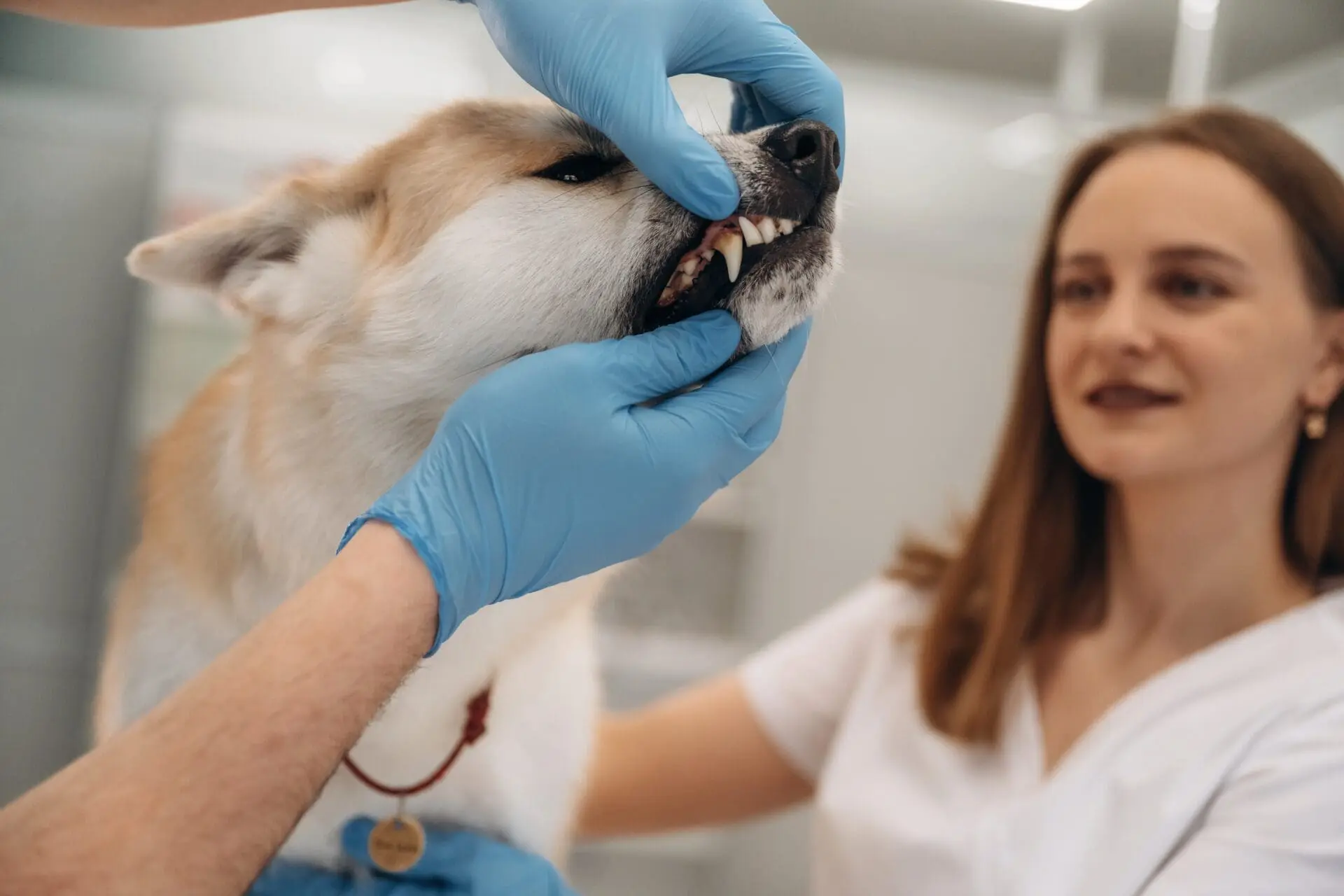
Your dog’s tail may still be wagging, but that doesn’t always mean their mouth is healthy. Many pets quietly live with painful dental problems long before owners notice obvious symptoms. In fact, dog dental issues are among the most common health concerns veterinarians see every year.
From bad breath and plaque buildup to advanced dog dental diseases, proper oral care plays a major role in your pet’s overall health and comfort. Regular dog teeth cleaning, at-home maintenance, and professional veterinary dentistry services can help prevent infections, tooth loss, and serious complications affecting the heart, liver, and kidneys.
At Spall and Harvey Animal Hospital, our team provides compassionate animal dental care for dogs in Kelowna and surrounding communities. Whether your pet needs routine cleaning or advanced veterinary dentistry treatment, investing in your dog’s dental health can improve both quality of life and long-term wellness.
Dog Dental Care Starts at Your Kelowna Vet Clinic
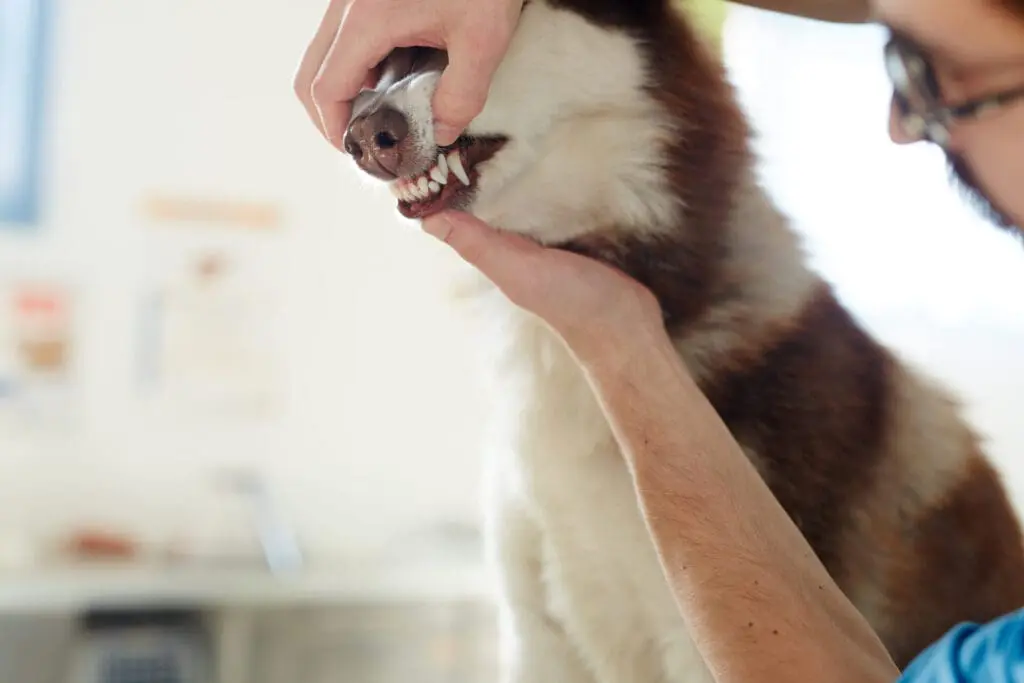
Many pet owners underestimate how quickly their dog’s dental problems can develop. Plaque can begin forming on your dog’s teeth within hours after eating, eventually hardening into tartar that cannot be removed through brushing alone. A professional vet does far more than simply polish teeth. During a complete dog dental examination, veterinarians assess:
- gum health
- tooth stability
- signs of infection
- fractured or worn teeth
- oral masses or abnormalities
- hidden disease beneath the gumline
Because many dog dental diseases develop below the surface, regular exams at a trusted vet clinic are essential for early detection. Professional animal dentistry also allows veterinarians to identify pain that dogs may hide exceptionally well. Some pets continue eating normally even while suffering from severe inflammation or infection.
Without treatment, untreated dog dental issues can lead to:
- chronic pain
- tooth loss
- jaw infections
- difficulty eating
- bacteria entering the bloodstream
Preventative dog dental care helps reduce these risks while supporting your pet’s overall health.
Dog Teeth Cleaning and What Happens During a Veterinary Dentistry Visit
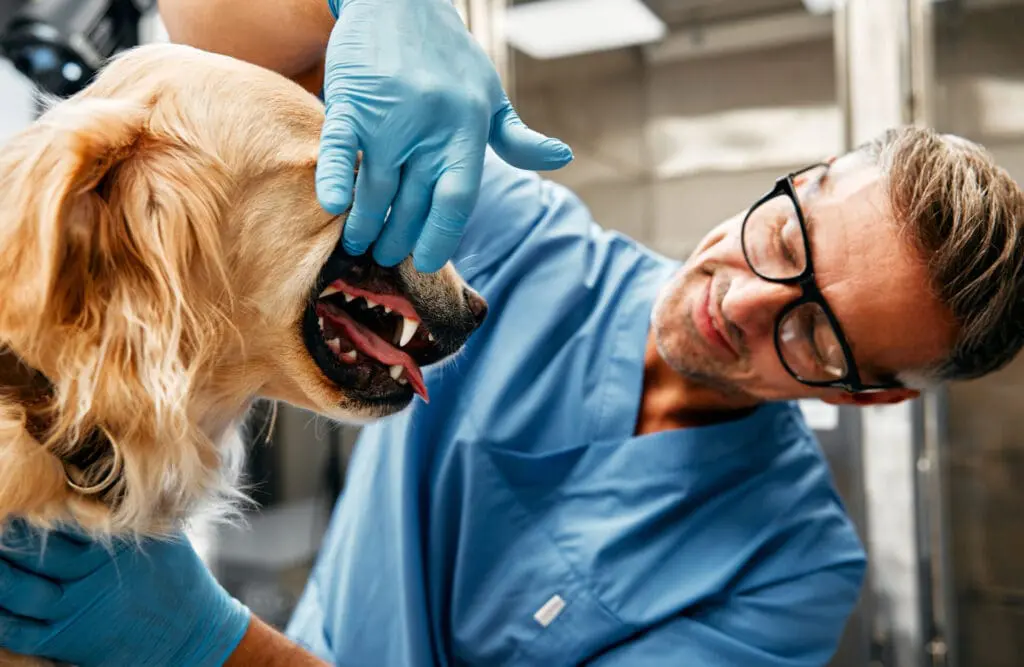
Many owners feel nervous about scheduling dog teeth cleaning because they are unsure what the process involves. Fortunately, modern veterinary dentistry procedures are safe, carefully monitored, and designed to keep pets comfortable throughout treatment.
A professional dog dental cleaning typically includes:
Full Oral Examination
Before cleaning begins, the veterinary team carefully examines your dog’s mouth for visible signs of disease, infection, fractures, or abnormal growths.
Anesthesia and Monitoring
For thorough animal dental care, dogs are placed under anesthesia. This allows veterinarians to safely clean beneath the gumline where dangerous bacteria often hide. Your dog is continuously monitored throughout the procedure to ensure safety and comfort.
Scaling and Polishing
Using specialized veterinary dentistry tools, plaque and tartar are removed from your dog’s teeth above and below the gumline. Teeth are then polished to help slow future plaque buildup.
Dental X-Rays
Many serious dog dental diseases are hidden below the surface. Dental radiographs help identify:
- root infections
- bone loss
- damaged teeth
- abscesses
- impacted teeth
Treatment Recommendations
If advanced dog dental problems are discovered, your vet dentist may recommend additional treatment such as extractions or medication.
Routine dog teeth cleaning is one of the most effective ways to prevent future oral disease and maintain healthier dog’s teeth over time.
Common Dog Dental Diseases That Affect Your Dog’s Teeth
Dog dental diseases are extremely common, especially in adult and senior pets. Some studies suggest that most dogs develop some level of periodontal disease by the age of three. Unfortunately, symptoms are often subtle during the early stages, some of the most common dog dental conditions include:
Periodontal Disease
This is the most common dog dental disease veterinarians treat. It occurs when plaque and bacteria cause inflammation around the gums and teeth.
Signs may include:
- red or bleeding gums
- bad breath
- tartar buildup
- loose teeth
- pain while chewing
Without treatment, periodontal disease can permanently damage a dog’s teeth and surrounding bone.
Broken or Fractured Teeth
Dogs frequently crack teeth while chewing hard toys, bones, or sticks. Exposed tooth pulp can become painful and infected if not treated promptly.
Tooth Root Abscesses
An untreated infection beneath the gumline may form a painful abscess that can spread to the surrounding tissue.
Gingivitis
Gingivitis is the early stage of gum disease and is one of the first warning signs of poor dog dental health.
Oral Tumours and Growths
Routine animal dentistry exams help detect abnormal masses or growths early, improving treatment outcomes.
Recognizing early signs of dog dental diseases allows pet owners to seek veterinary dentistry treatment before conditions become more severe and expensive to manage.
Brushing Teeth for Dogs: At-Home Care Between Animal Dental Appointments
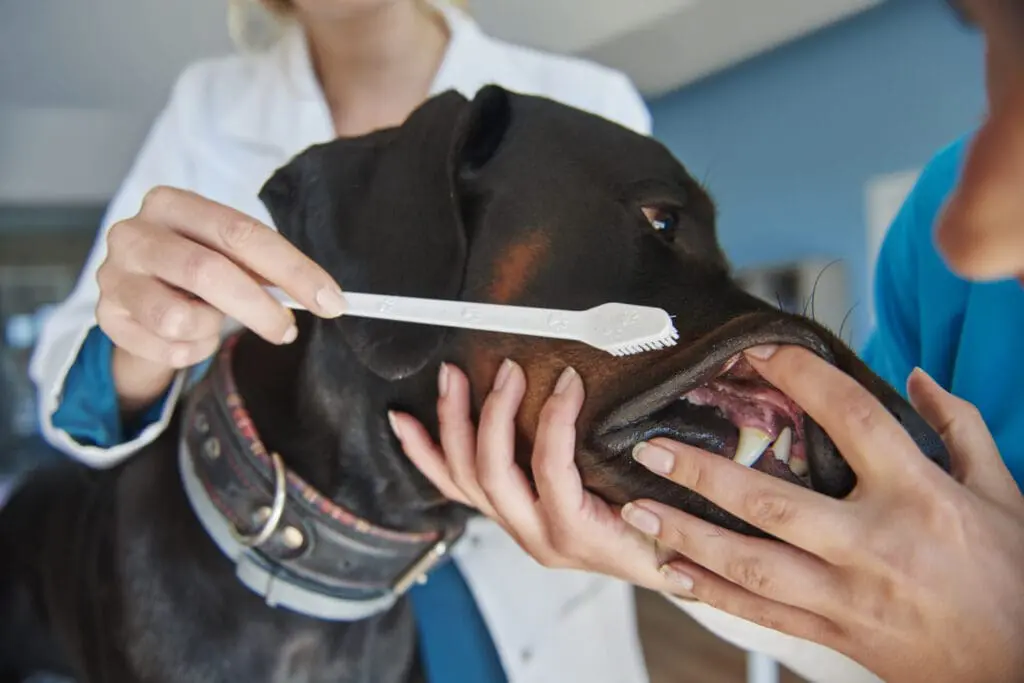
Professional cleanings are important, but daily maintenance at home also plays a major role in dog dental health. Brushing your dog’s teeth helps reduce plaque buildup and can slow the progression of dog dental diseases between veterinary visits.
If your dog is new to brushing, start slowly and keep sessions positive and rewarding.
Tips for Brushing Teeth for Dogs
Use Pet-Safe Toothpaste
Never use human toothpaste. Veterinary-approved products are specifically formulated for animal dental care.
Start Gradually
Allow your dog to get comfortable with having their mouth touched before introducing a toothbrush.
Focus on Consistency
Even brushing a few times per week can improve your dog’s dental health.
Use Proper Dental Products
Soft-bristled pet toothbrushes, finger brushes, dental wipes, and approved chews may help support your dog’s teeth between appointments.
Watch for Warning Signs
Schedule a veterinary dentistry exam if you notice:
- persistent bad breath
- bleeding gums
- yellow or brown tartar
- excessive drooling
- pawing at the mouth
- difficulty chewing
At-home care works best when combined with regular professional dog teeth cleaning from a qualified vet dentist.
When to Visit Spall and Harvey Animal Hospital for Dog Dental Care
Knowing when to schedule a dog dental appointment can make a significant difference in your pet’s comfort and long-term health. If your dog shows signs of oral discomfort or has not received a recent dental exam, it may be time to book a visit at a trusted vet clinic. At Spall and Harvey Animal Hospital, our veterinary team provides compassionate animal dental and veterinary dentistry services tailored to your dog’s specific needs.
Our dog dental services include:
- professional dog teeth cleaning
- dental exams
- digital dental X-rays
- treatment for dog dental diseases
- preventative oral care guidance
- personalized recommendations for your dog’s dental health
Whether your dog needs a routine cleaning or advanced veterinary dentistry treatment, early care can help prevent pain, infection, and costly complications later on. Healthy dogs teeth are about more than appearance. Proper dog dental care supports better overall health, improved comfort, and a happier quality of life for your pet. If you are looking for experienced animal dentistry services or a caring vet in Kelowna, contact Spall and Harvey Animal Hospital to schedule your dog’s dental examination today.



Book Your Appointment
Big love starts with a little checkup—book your pet’s visit today and keep the tail wags coming.