Vet Clinic in Kelowna: A Pet Owner’s Guide to Vaccinations, Parasite Prevention, and Your First Vet Visit
Bringing home a new puppy? Adopting a senior cat? Moving to the Okanagan with a four-legged family member in tow? Somewhere near the top of your to-do list should be finding a vet clinic in Kelowna you feel good about. The trouble is that most clinic websites sound alike, and it’s hard to know what matters until you’re sitting in an exam room with a nervous pet on your lap. This guide skips the generalities and gives you what you need to pick a vet clinic in Kelowna with confidence. Below you’ll find the questions worth asking before you book, a plain-language vaccine timeline, a look at the parasites that thrive in our valley, the symptoms that shouldn’t wait, and a walkthrough of a first appointment at Spall and Harvey Animal Hospital.
7 Essential Questions to Ask Before You Book a Vet Clinic in Kelowna
A five-minute phone call can tell you more about a veterinary clinic than an hour of scrolling through reviews. Before you commit to any vet clinic in Kelowna, run through this list:
- Which animals do you see? Some practices focus on cats and dogs, while others take exotics. Make sure your pet fits.
- How soon can a new patient get in? A two-day wait and a three-week wait are very different things when your dog is limping.
- What happens if my pet gets sick after hours? Ask where emergencies are referred and whether records get shared.
- Which diagnostic services do you offer? Ready access to blood work and imaging means faster answers and fewer trips across town.
- Do you handle surgical and urgent care, or refer it out? Knowing this in advance saves panic later.
- Will I get an estimate before treatment? A trusted vet is upfront about costs and gives you options.
- Can I see the same veterinarian each visit? Continuity matters, especially for pets with chronic conditions.
Pay attention to how the person on the phone responds. Any vet clinic in Kelowna worth your time will welcome the questions rather than rush you through them.
Pet Vaccinations by Age: The Pet Vaccines Your Kelowna Veterinary Clinic Will Recommend
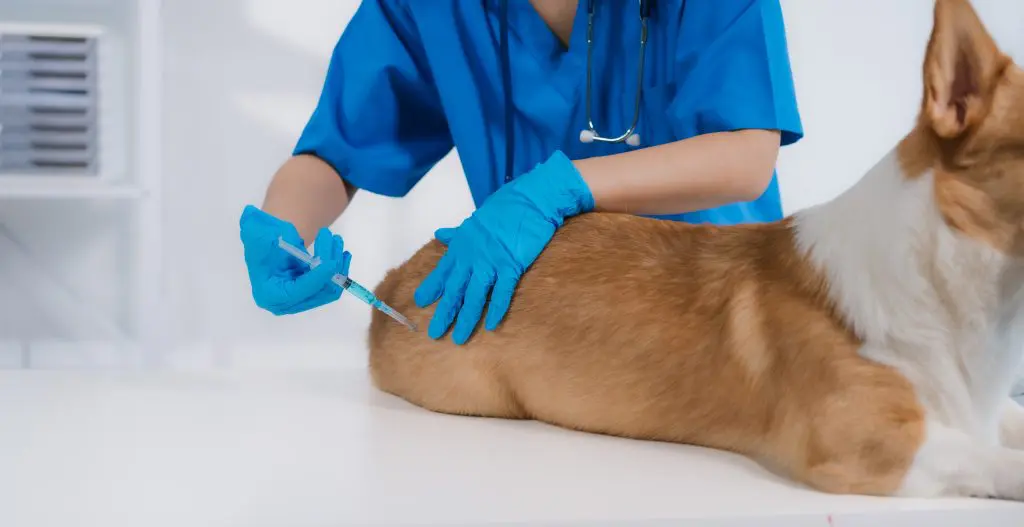
Pet vaccinations aren’t one-size-fits-all. Your Kelowna veterinary clinic will build a vaccination schedule around your pet’s age, health, lifestyle, and exposure risk, but most puppies and kittens follow a fairly predictable timeline during their first few months of life.
Puppies
6 to 8 weeks: First combination vaccine, typically protecting against distemper, parvovirus, and adenovirus. This begins building immunity as protection from maternal antibodies starts to decline.
10 to 12 weeks: Second booster to strengthen the immune response and continue protection against common infectious diseases.
14 to 16 weeks: Final puppy booster in the initial series, along with a rabies vaccine. Depending on lifestyle and risk factors, your veterinarian may also recommend additional vaccines around this stage.
Kittens
6 to 8 weeks: First combination vaccine covering three common feline viruses, helping protect kittens while their developing immune systems are still vulnerable.
10 to 12 weeks: Booster vaccine, often accompanied by a discussion about feline leukemia vaccination for kittens who will spend time outdoors or may come into contact with other cats.
14 to 16 weeks: Final booster in the kitten series, plus rabies vaccination.
Adult and senior pets generally receive a booster about one year after completing their initial vaccine series, followed by additional boosters every one to three years depending on the vaccine, your pet’s medical history, and your veterinarian’s recommendations. A good vet clinic in Kelowna will ask questions about your pet’s actual routine instead of handing every owner an identical vaccine list. That is why an indoor-only cat may have different vaccination needs than a cat who patrols the orchard, and why a dog who rarely leaves the backyard may follow a different plan than one who visits dog parks, daycare, or hiking trails every week.
Vaccination appointments are also a useful opportunity for your veterinarian to check your pet’s overall health. Before giving a vaccine, the veterinary team can look for changes in weight, dental health, skin, mobility, and other signs that may be easier to address when they are caught early.
One practical tip: when you switch to a new vet clinic in Kelowna, bring your previous vaccine records with you. Accurate records help your new veterinary team see which vaccines your pet has already received and when boosters are due. That can prevent unnecessary repeat vaccinations, save you money, and mean fewer needles for your pet.
Dog Parasite Prevention and Cat Parasite Prevention: An Okanagan Vet Hospital Guide to Fleas and Ticks
Warm summers are wonderful for hiking and, unfortunately, for parasites. Ask any Okanagan vet hospital and you’ll hear the same thing: ticks show up earlier than people expect. They become active once temperatures sit a few degrees above freezing, which in the valley can mean March. Grassy, sun-exposed trails are prime territory.
Pet parasite prevention usually covers four things:
Ticks: an oral or topical preventative through tick season, plus a hands-on check after every hike
Fleas: year-round protection in multi-pet homes, since fleas happily overwinter indoors
Heartworm: The Okanagan is one of the few parts of BC where heartworm has been a concern, so ask whether seasonal protection makes sense for your dog
Intestinal worms: regular deworming, especially for dogs who scavenge or frequent off-leash parks
Cat parasite prevention gets overlooked because so many cats live indoors. Yet fleas hitch rides on clothing and on the family dog, and an indoor cat who catches the occasional mouse can pick up tapeworm or roundworm. Outdoor cats need flea and tick coverage too.
A word of caution: never use a dog product on a cat. Some canine tick treatments contain permethrin, which is toxic to cats.
Many clinics offer parasite prevention programs that match products to your pet’s weight and lifestyle and remind you when the next dose is due. When you’re comparing options at a vet clinic in Kelowna, ask whether the parasite prevention plan shifts with the seasons or stays the same all year.
Pet Health Red Flags: Signs It’s Time to Vist an Emergency Vet Clinic
Some problems can wait for routine checkups. Others can’t. If you spot any of the following, stop reading, search “vet near me,” and pick up the phone.
Dog health red flags
- A swollen, tight belly with unproductive retching (possible bloat, which is life-threatening)
- Vomiting or diarrhea that lasts more than 24 hours, or any blood
- Laboured breathing, or pale or blue-tinged gums
- Sudden collapse, seizures, or inability to stand
- Known ingestion of chocolate, grapes, xylitol, or human medication
Cat health red flags
- Straining in the litter box with little or no urine, especially in male cats (a blockage can turn fatal quickly)
- Refusing food for more than 24 hours
- Open-mouth breathing or panting
- Hiding combined with lethargy
- Sudden hind-leg weakness, or any contact with lilies
Cats are experts at masking pain, so subtle changes count. When you call a vet clinic in Kelowna with an urgent concern, describe the symptoms, when they started, and anything your pet may have eaten. The team can tell you whether to come straight in or head to an emergency facility. Having a vet near you with your pet’s history already on file makes those minutes far less frantic. It’s the strongest argument for choosing your vet clinic in Kelowna before you need one.
Your First Visit to Spall and Harvey Animal Hospital: Wellness Exams, Diagnostic Services, and Preventative Care
People who type “veterinary clinic Kelowna” or “Okanagan vet hospital Kelowna” into Google are often doing it the night before they need an appointment. If that’s you, here is what a first visit to our animal hospital looks like, so nothing comes as a surprise.
Before you arrive: Gather previous records, a list of medications and food brands, and a fresh stool sample if you can manage it. Cats travel best in a carrier that has been left open at home for a few days beforehand. Dogs should be leashed.
During the appointment: Wellness exams are nose-to-tail: eyes, ears, teeth, heart and lungs, skin and coat, joints, abdomen, and weight. We’ll ask about diet, behaviour, and activity, because small details often point to big answers. If something deserves a closer look, diagnostic services such as blood work and imaging help us get to the bottom of it. And should your pet ever need more than a checkup, surgical and urgent care are part of what we do.
Before you leave: You’ll go home with a preventative care plan covering vaccines, parasite control, dental health, and nutrition, along with a suggested date for the next visit. No pressure and no jargon.
As a veterinary clinic in Kelowna caring for both dogs and cats, we’ve built our practice around long-term relationships. We want to learn your pet’s quirks, remember that your beagle hates the scale, and notice when something changes from one year to the next. That familiarity is what separates a vet clinic in Kelowna you visit once from one you stay with for your pet’s whole life.
Ready to Book Your Vet Appointment?
Whether you’re new to town or switching from another vet clinic in Kelowna, the process doesn’t have to feel overwhelming. Ask good questions. Stay on top of vaccines and parasite control. Learn the warning signs. Then find a team you’re comfortable with. If you’re looking for a vet clinic in Kelowna that treats your pet like family, contact Spall and Harvey Animal Hospital today to book your first appointment. We’d love to meet you both.



Book Your Appointment
Big love starts with a little checkup—book your pet’s visit today and keep the tail wags coming.