
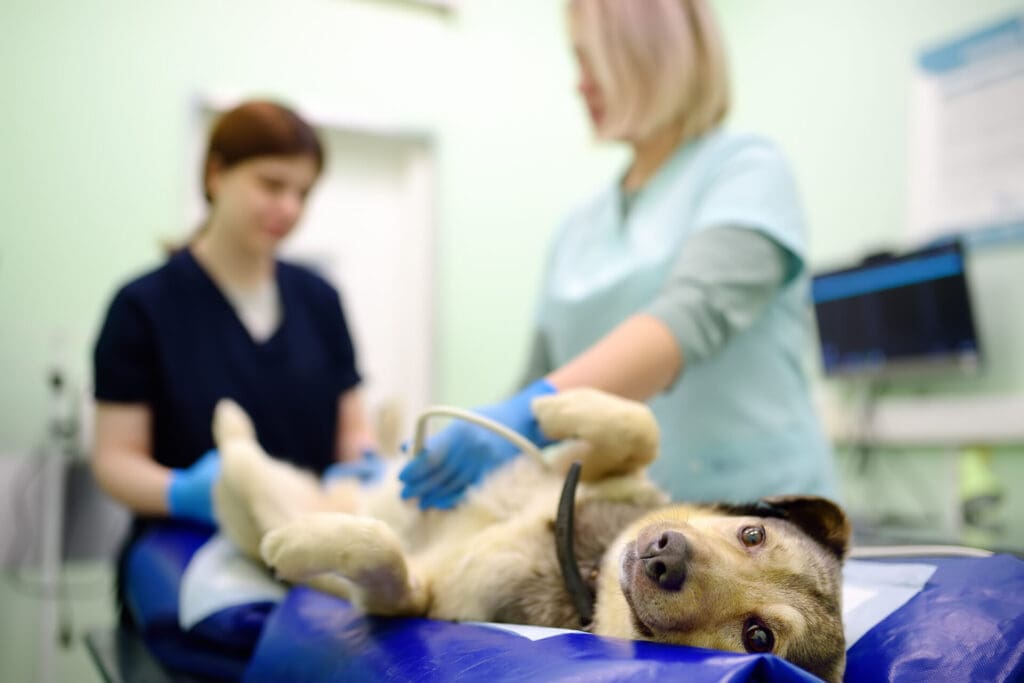
After your dog’s spay or neuter surgery, it’s natural to worry about the incision site. Watching over those dog stitches isn’t just about keeping things clean, it’s about making sure the healing process stays on track. Whether it’s a spay incision, neutering incision, or other surgical site, knowing what’s normal (and what’s not) can make recovery smoother for both you and your pup.
At Spall and Harvey Animal Hospital, your trusted Kelowna vet clinic, we care about guiding pet owners through every step of post-surgery care. Here’s everything you should know about dog stitches, healing stages, and when to call your veterinary clinic for help.
Key Takeaways:
- Proper care of dog stitches prevents complications and speeds up recovery.
- Most spay and neutering incisions heal within 10-14 days with minimal scarring.
- Watch for redness, swelling, discharge, or foul odour, these may signal infection.
- Prevent your dog from licking or scratching the incision to avoid reopening wounds.
- Contact Spall and Harvey Animal Hospital if infection or discomfort appears.
Dog Stitches Healing Stages: What’s Normal vs Not
The healing of dog stitches generally follows a predictable pattern. Within the first 24 to 48 hours, some redness, mild swelling, or light bruising is normal. By day three, the incision should start to close and become less tender.
Normal healing signs include:
- Mild redness around the spay incision or neutering incision
- A small, firm ridge under the skin as tissue heals
- Minimal clear or light pink discharge early on
- Gradual reduction in swelling
However, if you notice excessive redness, foul odour, or continuous oozing, these may indicate infected stitches on a dog or a developing dog incision infection. Healing time can vary, but most dog stitches are removed or dissolve within 10-14 days.
Spay Incision Healing Process: Day-by-Day Timeline
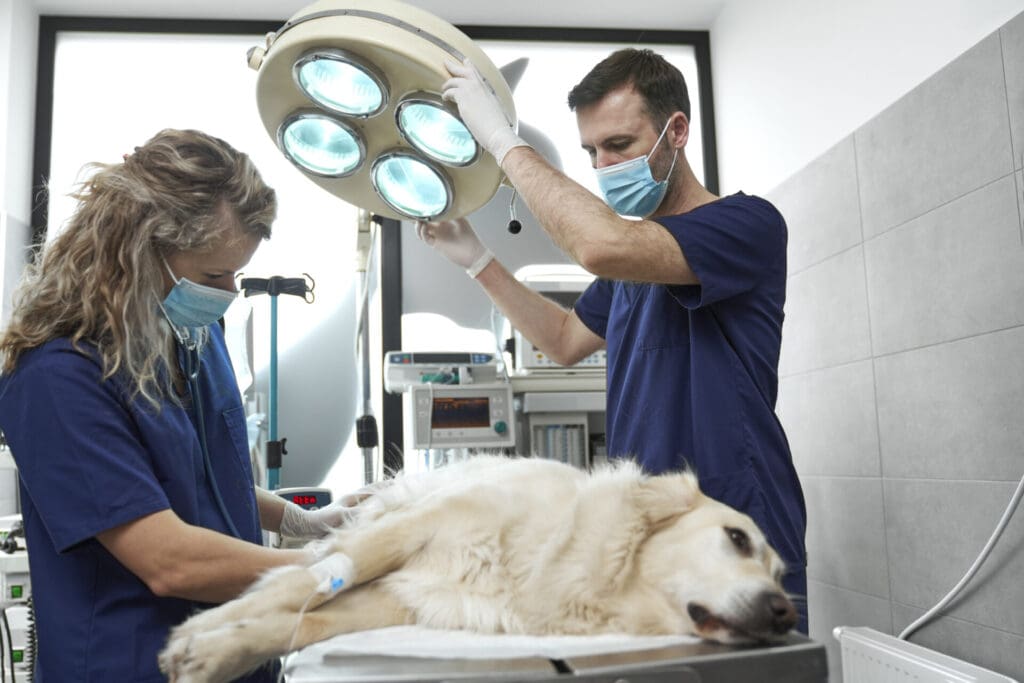
A spay incision healing process usually takes about two weeks, though it can differ depending on your dog’s age and size.
Days 1-3: Your dog may be tired, slightly swollen, and less active. Prevent licking or biting at the dog stitches, a dog cone can help.
Days 4-7: The dog spay scar begins to close. Keep walks short and avoid baths or rough play.
Days 8-14: Swelling should subside, and the incision will appear lighter and smoother.
After 2 Weeks: The stitches are mostly healed, though internal healing continues for several more weeks.
During this period, it’s crucial to monitor for dog wound infection signs such as redness spreading outward, heat, or pain when touched.
Neutering Incision Care: Keeping the Site Clean and Safe
Male dogs have a neutering incision near the scrotum or lower abdomen, which can be more prone to licking or irritation. Good hygiene and limited movement are key to proper healing.
Tips for neutering aftercare:
- Keep the dog stitches dry, no swimming or bathing until cleared by your vet clinic.
- Prevent your dog from jumping or running excessively.
- Check the incision twice daily for swelling, redness, or moisture.
- If your dog seems unusually uncomfortable or persistently licks the area, contact Spall and Harvey Animal Hospital right away.
A smooth recovery results in a faint dog spay scar or neutering scar, barely visible once fur grows back.
Dog Wound Infection Signs: How to Spot Infected Stitches on a Dog
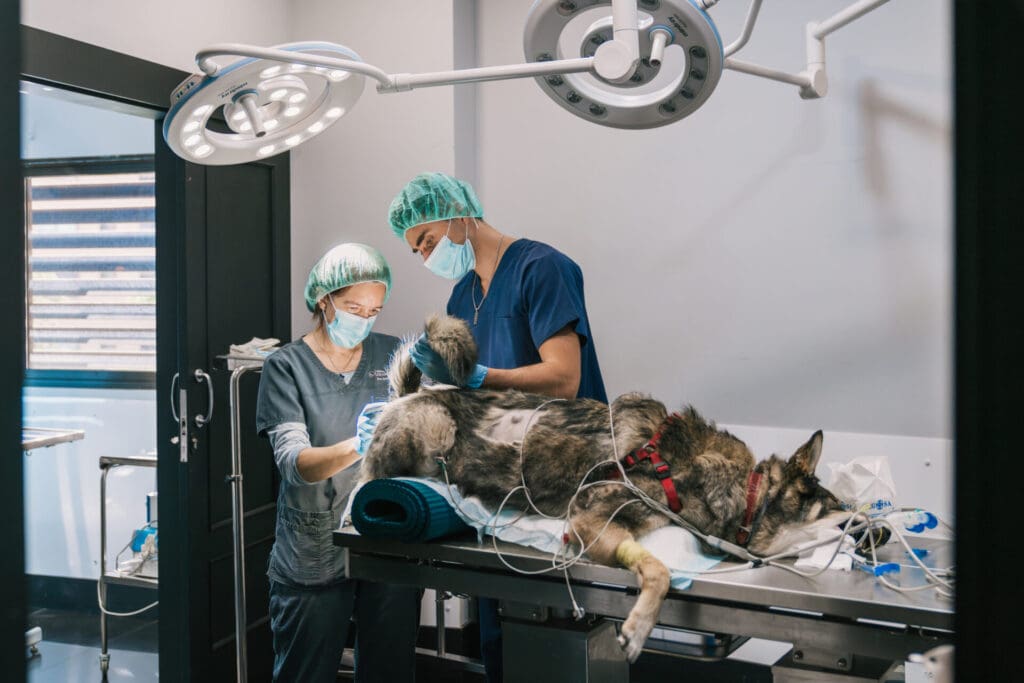
Recognizing early dog wound infection signs can prevent complications and discomfort. Here’s what to watch for:
- Redness and heat around the spay incision
- Yellow, green, or foul-smelling discharge from the stitches
- Swelling or painful lump formation
- Lethargy or loss of appetite
- Persistent licking or chewing of the incision area
Prompt care from a vet clinic prevents serious complications like abscesses or fever. Always follow your vet’s aftercare plan and don’t hesitate to reach out if something looks off.
When to Call a Kelowna Vet Clinic for a Dog Incision Infection
If you suspect an infection, timing matters. It is recommended to call a vet immediately if:
- You notice pus or continuous bleeding from the dog stitches
- The incision reopens or looks torn
- Your dog shows pain when the area is touched
- There’s a sudden change in behaviour, such as whining or hiding
Our veterinarians may clean the area, prescribe antibiotics, or replace dog stitches if necessary. Never attempt to drain or treat the wound at home, as this can worsen a dog incision infection. If the time has come for removal, your vet will explain how to remove stitches from a dog safely, this is typically done in-clinic with minimal discomfort.
Caring for Your Dog After Surgery: Pro Tips from a Kelowna Vet
Beyond monitoring the spay incision healing process, here are a few post-surgery care tips from our Kelowna vet clinic:
- Limit activity to prevent tearing dog stitches
- Use a dog cone to stop licking and infection
- Avoid grooming or bathing until cleared by your vet
- Follow your vet’s timeline for recheck appointments at the veterinary clinic in Kelowna
- Monitor your dog’s behaviour, alertness and appetite are good signs of healing
Final Thoughts
Proper dog stitches care ensures a smooth recovery after a spay or neuter. Watch for subtle changes, stay consistent with aftercare, and don’t skip check-ups.
At Spall and Harvey Animal Hospital, we’re here to support you and your pet from surgery to full recovery. If you ever notice signs of infected stitches on a dog or suspect a dog incision infection, our caring team at your Kelowna vet clinic is just a call away. Contact us to book an appointment or learn more about our surgical and aftercare services. Together, we’ll help your dog heal quickly, comfortably, and safely.