
Parasites are one of those pet problems that can start subtle, then snowball fast. A little scooting, a few “off” poops, or a cat who suddenly seems quieter than usual can be the first clue. The good news is most parasites are treatable, and many are preventable with the right plan.
This guide covers common dog parasites and cat parasites, the warning signs to watch for, what diagnosis looks like at a Kelowna vet clinic, and when it’s time to book at a vet clinic Kelowna pet owners trust. If you want local care and practical next steps, Spall and Harvey animal hospital is here to help.
Note: Parasite symptoms can overlap with other conditions. If your pet is very lethargic, vomiting repeatedly, or has blood in their stool, contact a kelowna vet clinic as soon as possible.
Common Dog Parasites and the Symptoms Pet Owners Notice First
Dogs explore everything, which also means they can pick up parasites from parks, trails, standing water, daycare, and even backyards. The tricky part is that parasites in dogs symptom patterns can look different depending on the parasite type, your dog’s age, and overall health.
Common dog parasites seen in Kelowna
- Roundworms and Hookworms
- Common in puppies. These can cause diarrhea, a pot-bellied look, poor growth, and a dull coat.
- Tapeworms
- Often linked to fleas. Some owners notice rice-like segments near the anus or on bedding.
- Giardia
- A microscopic parasite that often causes soft stool or diarrhea that comes and goes, sometimes with a strong smell.
- Whipworms
- Can lead to chronic large-bowel diarrhea, straining, and mucus in the stool.
- Fleas and ticks
- These can cause itching, skin irritation, hot spots, and in some cases transmit other illnesses.
Symptoms of a parasite in dogs that should prompt a vet visit
If you’re searching symptoms of a parasite in dogs, these are the most common red flags we see at a Kelowna vet clinic:
- Diarrhea, especially if it’s recurring or doesn’t improve in 24 to 48 hours
- Vomiting that happens more than once
- Weight loss or poor weight gain
- Pot-bellied appearance in puppies
- Dull coat, flaky skin, or hair thinning
- Scooting or excessive licking around the rear end
- Visible worms or segments in stool
- Intense itching, scabs, or irritated skin
- Low energy or reduced appetite
Puppies, newly adopted dogs, and dogs that spend time around other dogs are at higher risk. If your dog fits that category, a Kelowna vet clinic can help you get ahead of it before symptoms get worse.
Cat Parasites Explained: Intestinal and Stomach Parasites:
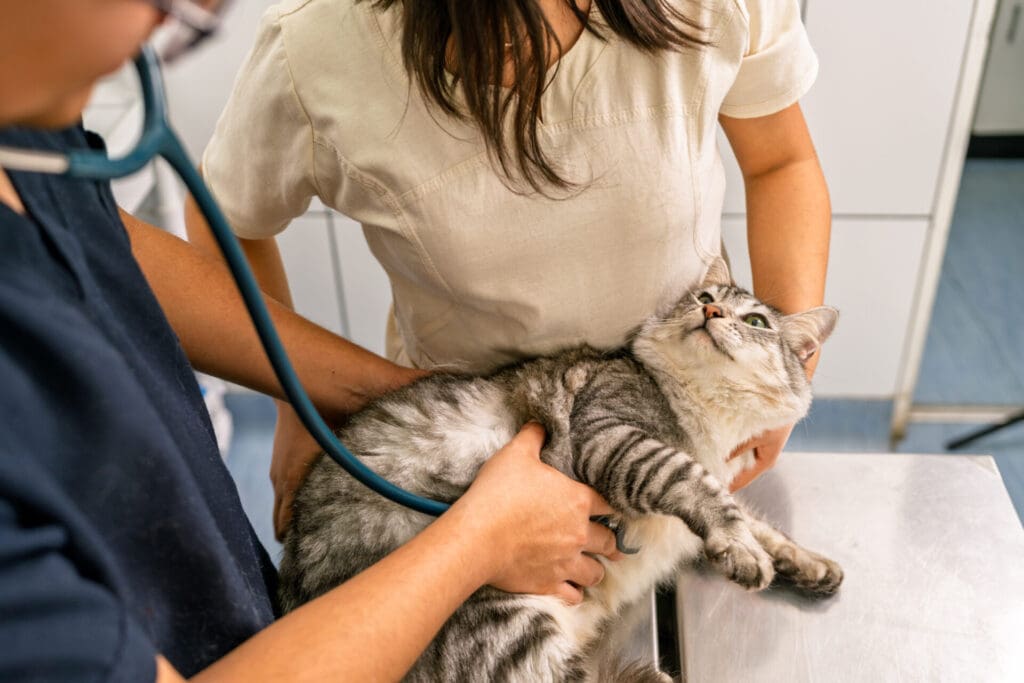
Cats can get parasites even if they’re indoors. Parasite exposure can happen through shared litter boxes, boarding, fleas brought in on other pets, or even eggs tracked in on shoes. When people say stomach parasites in cats, they’re usually referring to intestinal parasites cats can develop that cause digestive upset and changes in stool.
Common cat parasites
- Roundworms
- Very common in kittens and can cause a pot-bellied look, vomiting, and poor weight gain.
- Tapeworms
- Often tied to fleas. Owners may see small segments around the litter area or on fur.
- Giardia and coccidia
- Microscopic parasites that can cause persistent diarrhea, especially in kittens or multi-cat homes.
- Ear mites and fleas
- Not intestinal, but common and miserable. Fleas can also play a role in tapeworm transmission.
Symptoms of Parasites in Cats
Cats are great at hiding illness, so subtle changes matter. Symptoms of parasites in cats can include:
- Soft stool or diarrhea, sometimes with mucus
- Vomiting, especially recurring
- Weight loss or “not thriving”
- Increased appetite without weight gain
- Dull coat, dandruff, or overall scruffiness
- Scooting or licking around the rear
- Itchy skin, scabs along the back, or over-grooming
- Rice-like segments near the litter box or on fur
If your cat is a kitten, newly adopted, or suddenly having digestive issues, a kelowna vet clinic can help you rule out parasites quickly and safely.
How a Kelowna Vet Clinic Diagnoses Parasites in Dogs and Cats
Parasites are not always visible, and many are microscopic, which is why testing matters. At a Kelowna vet clinic, the goal is to identify what you’re dealing with so treatment is specific and effective.
What parasite testing usually includes;
- Stool sample testing
- A fecal test checks for parasite eggs and microscopic organisms. This is one of the most common ways intestinal parasites cats and dogs have can be identified.
- Microscopy and flotation testing
- These methods help detect common worm eggs and protozoa.
- Additional testing when needed
- In some cases, a kelowna vet clinic may recommend antigen testing or other diagnostic options if symptoms persist but routine tests are inconclusive.
- Skin and ear checks
- If itching is the main complaint, your kelowna vet clinic may check for fleas, mites, and secondary skin infections.
- Lifestyle and history review
- Dog parks, daycare, hiking, hunting rodents, new pets, or recent travel can all help your vet narrow down the likely cause.
Helpful tip: If you can, bring a fresh stool sample to your appointment. If you’re unsure how to collect it, call your vet clinic kelowna team and they’ll walk you through it.
What Parasite Care Looks Like at Spall and Harvey Animal Hospital:
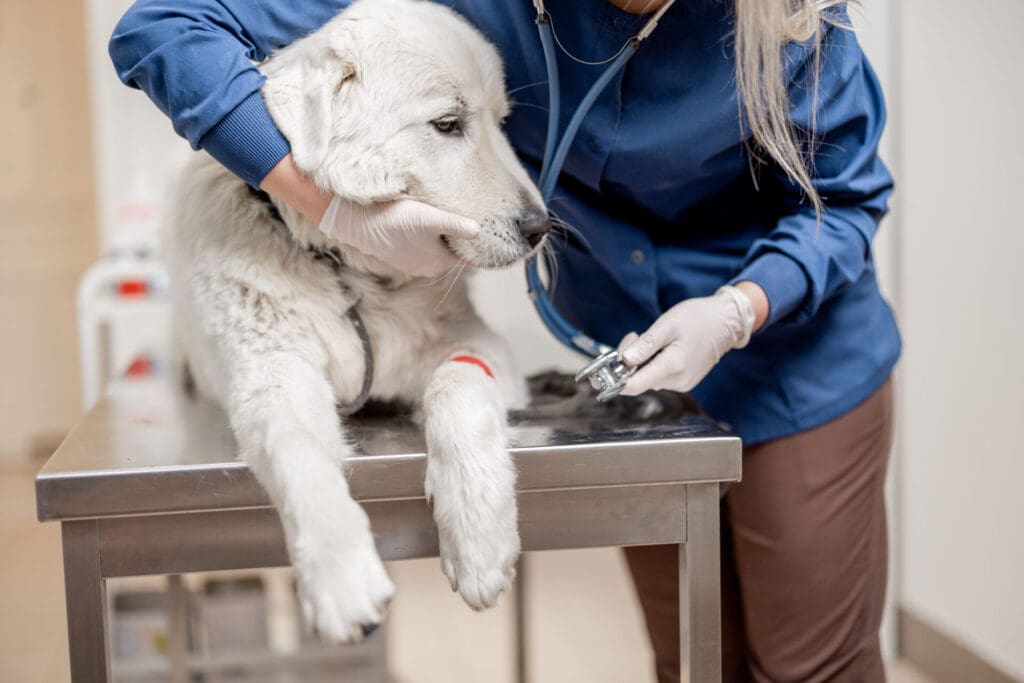
At Spall and Harvey animal hospital, parasite care typically includes targeted medication plus guidance to reduce the risk of reinfection. Treatment depends on the parasite type, your pet’s age, and whether symptoms are mild or more serious.
Common treatment approaches
- Deworming medications for worms
- Roundworms, hookworms, whipworms, and tapeworms are often treated with oral dewormers. Some parasites require repeat dosing to fully clear.
- Medications for microscopic parasites
- Giardia and coccidia can require specific prescriptions and a focus on hygiene to prevent repeat exposure.
- External parasite control
- Fleas, ticks, and mites are treated with vet-recommended preventatives and, when needed, additional therapies for skin irritation or ear inflammation.
At-home steps that make treatment more effective
These practical steps are often recommended by a kelowna vet clinic alongside medication:
- Clean up stool promptly in the yard and keep litter boxes clean daily
- Wash bedding and blankets in hot water
- Vacuum floors and furniture regularly if fleas are a concern
- Treat all pets in the household if advised, especially for fleas
- Follow through on rechecks or repeat stool testing if recommended
Because parasites symptom patterns can improve before the parasite is fully cleared, finishing medications and doing any recommended follow-ups matters.
Preventing Parasites Year-Round: Simple Steps to Protect Dogs and Cats in the Okanagan

Prevention is usually easier and less stressful than treatment. The best prevention plan depends on your pet’s routine, for example trail hikes versus neighbourhood walks, indoor-only cats versus outdoor roamers, and daycare versus at-home lounging.
A realistic prevention plan for Kelowna pets:
- Monthly parasite prevention recommended by a Kelowna vet clinic for your pet’s lifestyle
- Regular stool testing, especially for puppies, kittens, or pets with recurring digestive issues
- Routine deworming schedules for young pets when appropriate
- Yard and litter hygiene, including prompt poop pickup and frequent litter changes
- Flea prevention, since fleas can lead to tapeworms and skin issues for both dogs and cats
When to book a vet visit instead of waiting, contact a Kelowna vet clinic promptly if you notice:
- Blood in stool, black or tarry stool, or ongoing straining
- Repeated vomiting or inability to keep food down
- Severe diarrhea, signs of dehydration, or sudden weakness
- A puppy or kitten with diarrhea, since they can decline quickly
- Rapid weight loss, low energy, or behaviour that feels “off”
- Persistent itching that doesn’t improve
Book Parasite Care in Kelowna
If you’re seeing symptoms of a parasite in dogs, noticing symptoms of parasites in cats, or want a prevention plan that matches your pet’s lifestyle, Spall and Harvey animal hospital can help. Book an appointment and visit a trusted vet clinic Kelowna pet owners rely on for clear answers, effective treatment, and practical prevention guidance.