
Dog and Cat Teeth Cleaning Cost in Kelowna: A Vet’s Honest Price Guide
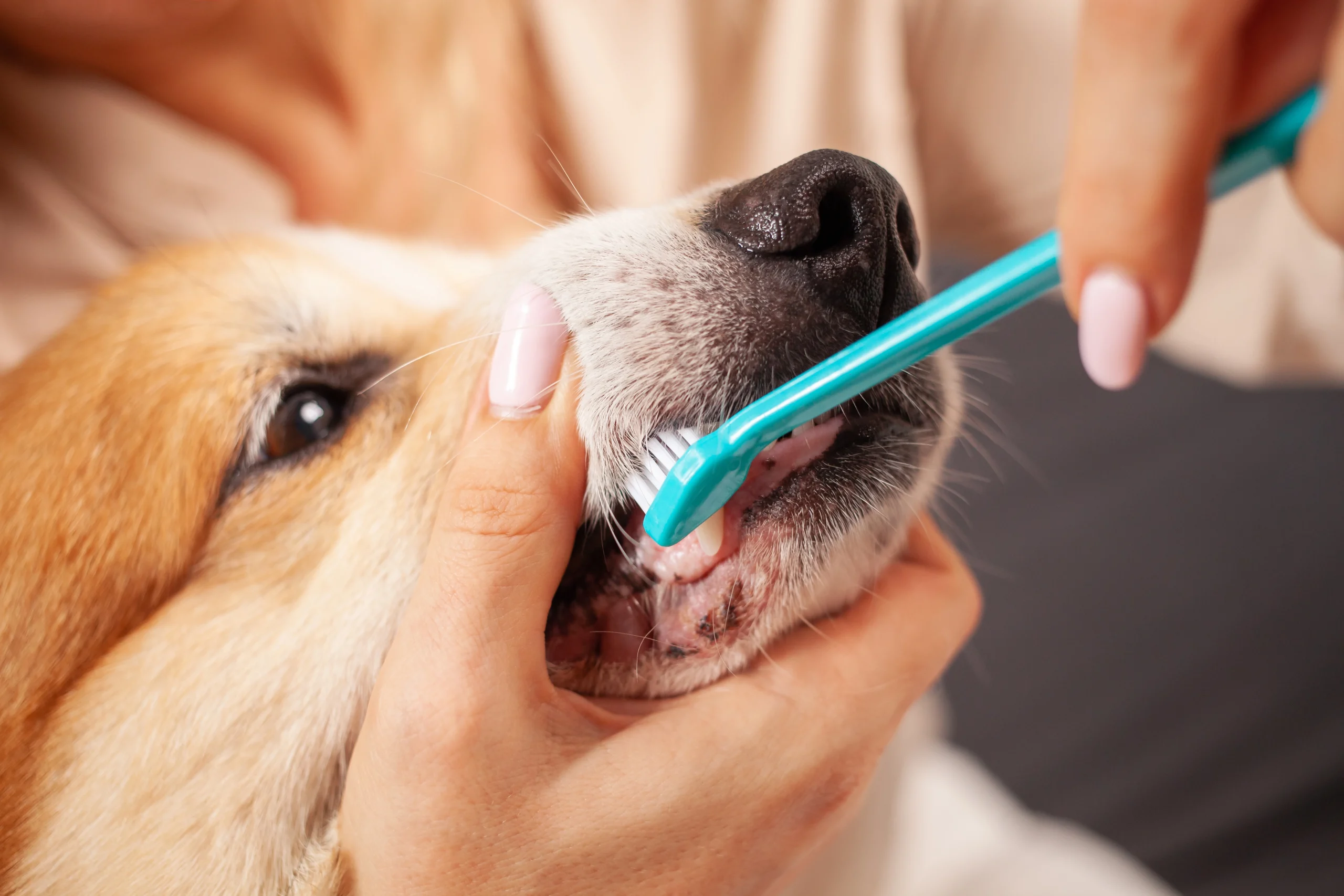
Your dog’s breath could knock over a lamp. Your cat has started chewing on one side. You know a dental cleaning is overdue, so you look it up and find a dozen clinics saying “call for pricing” and a dozen forum threads quoting wildly different numbers. Let’s fix that. Below is an honest breakdown of what professional pet dental care costs in the Okanagan, why the number swings so much, and what you get in return. By the end, you’ll know how to read an estimate like a pro and spot where corners are being cut.
Dog Teeth Cleaning Cost in Kelowna: Typical Price Ranges
For a routine professional cleaning with no extractions, most Kelowna pet owners can expect a bill somewhere in the range of $600 to $1,200 for a dog and $500 to $1,000 for a cat. That figure typically bundles anesthesia, monitoring, scaling, polishing, and recovery.
Once extractions enter the picture, the range widens quickly. A cleaning plus a few simple extractions often lands between $1,200 and $2,000. Severe periodontal disease requiring multiple surgical extractions, full-mouth radiographs, and extended anesthesia time can climb to $2,500 or more.
What Affects Dog and Cat Teeth Cleaning Prices in Kelowna?
Size and weight: A 45 kg Labrador needs more anesthetic, more IV fluids, and more time than a 4 kg cat.
Disease stage: Grade 1 tartar is a quick scale-and-polish. Grade 4 periodontal disease is oral surgery.
Age and health: Senior pets or those with heart, kidney, or liver conditions need extra bloodwork and closer monitoring.
These are regional ranges, not a quote. Every Kelowna vet clinic, including ours, builds an estimate around the individual animal after an oral exam. If a number you’ve been given falls well outside these brackets, it’s worth asking what’s included (or missing).
Why Kelowna Vets Use Anesthesia for Pet Dental Cleanings
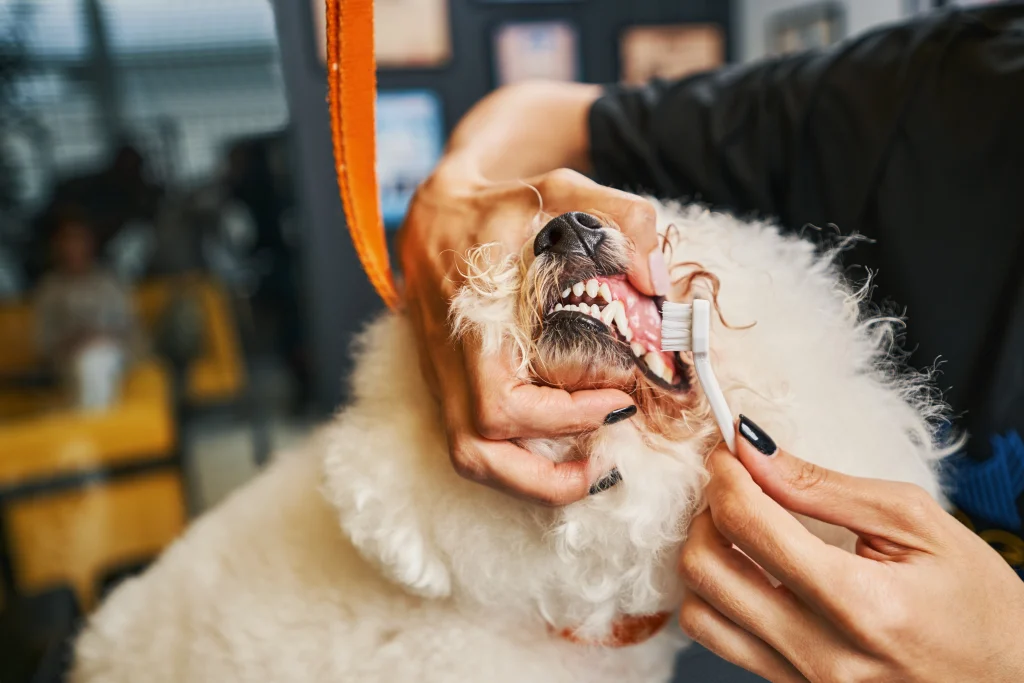
This is where most of the cost lives, and it’s also where some owners start hunting for a cheaper “anesthesia-free” option. Please don’t. Think about your own dental visit. You sit still, open wide, and tolerate the scraper under your gumline because you understand what’s happening, a dog or cat does not. Without anesthesia, a cleaning becomes a cosmetic scrape of visible tartar on the outer tooth surfaces while a frightened animal is held in place. The disease that actually matters lives below the gumline, where no awake pet will let anyone work.
Anesthesia allows the veterinary team to:
- Probe every tooth for pockets, mobility, and fractures
- Clean under the gums, where bacteria cause bone loss
- Take dental X-rays to see root disease that’s invisible from the surface
- Extract damaged teeth safely and with proper pain control
- Place an endotracheal tube so bacteria-laden water doesn’t enter the lungs
Modern veterinary anesthesia is remarkably safe when preceded by bloodwork and paired with continuous monitoring. The risk of leaving periodontal infection untreated, with bacteria seeding the heart, kidneys, and liver day after day, is far greater than the risk of a well-managed anesthetic.
What’s Included in Professional Pet Dental Care at a Kelowna Animal Hospital
When you receive an estimate from a reputable Kelowna animal hospital, it should read less like a single line item and more like a checklist. Here’s what a complete dental procedure generally includes, and roughly how each piece contributes to the total:
Pre-anesthetic bloodwork (10–15%) – Confirms your pet’s liver and kidneys can safely process anesthesia before anything begins.
IV catheter and fluids (5–10%) – Maintains blood pressure throughout the procedure and provides immediate access in case of an emergency.
Anesthesia and monitoring (25–35%) – Induction, gas maintenance, and a dedicated technician tracking heart rate, oxygen, and blood pressure the entire time. This is the largest single piece of the bill, and the most important.
Dental radiographs (10–15%) – Full-mouth X-rays that reveal root abscesses, resorptive lesions, and bone loss hiding below the gumline.
Scaling, polishing, and probing (15–20%) – The actual cleaning, above and below the gums, plus charting every tooth for pockets, mobility, and fractures.
Extractions and nerve blocks (variable) – Only if needed. Priced per tooth, with simple and surgical extractions billed differently.
Pain medication and antibiotics (about 5%) – Sent home as needed so recovery is comfortable and infection-free.
How to Compare Pet Dental Estimates From Kelowna Vet Clinics
- Are dental X-rays included or extra? Roughly a third of dental problems in cats and dogs are only visible on radiographs.
Is a dedicated technician monitoring the entire time? Not the same person doing the cleaning. - Are extractions quoted per tooth, with surgical versus simple distinguished?
- What happens if more disease is found once your pet is under? A good clinic will call you before proceeding.
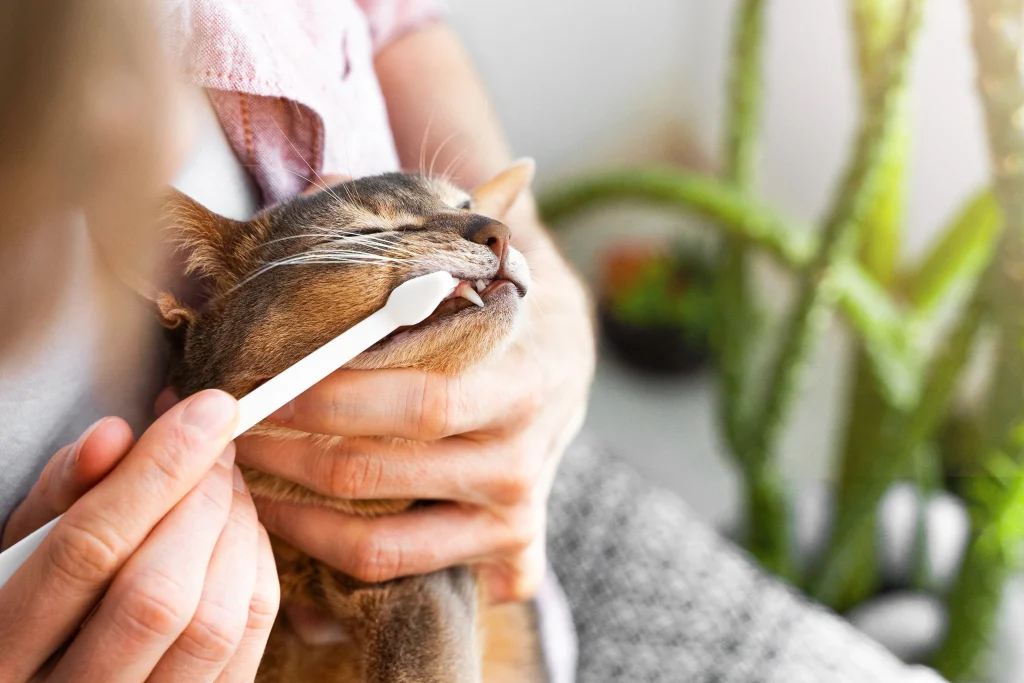
- Cats deserve a special mention here. Feline tooth resorption affects a large proportion of cats over five and is excruciating, yet it often shows no obvious sign beyond a slightly fussier eater. X-rays catch it. Visual exams frequently miss it.
Is Cat and Dog Dental Cleaning Worth the Cost? The Math Okanagan Pet Owners Skip
Here’s the uncomfortable truth: dental cleanings cost more the longer you wait. A dog that gets a preventive cleaning every 12 to 24 months starting in early adulthood might spend $700 per visit with no extractions. A dog whose first cleaning happens at age nine, after years of tartar buildup, is looking at a $2,500 bill, eight extractions, a week of soft food, and the quiet realization that they’ve been in pain for years.
Add the downstream costs of untreated dental disease and the picture gets starker:
- Tooth root abscesses that swell the face and need emergency care
- Chronic kidney disease, accelerated by constant bacterial load
- Endocarditis, where oral bacteria colonize heart valves
- Jaw fractures in small dogs whose bone has been eaten away
Preventive dentistry isn’t an expense you choose to add. It’s an expense you choose to pay earlier and smaller rather than later and larger. Pet insurance plans that include dental coverage can also offset a meaningful chunk, so check your policy’s wellness rider.
How to Lower Pet Teeth Cleaning Costs in Kelowna Without Cutting Corners
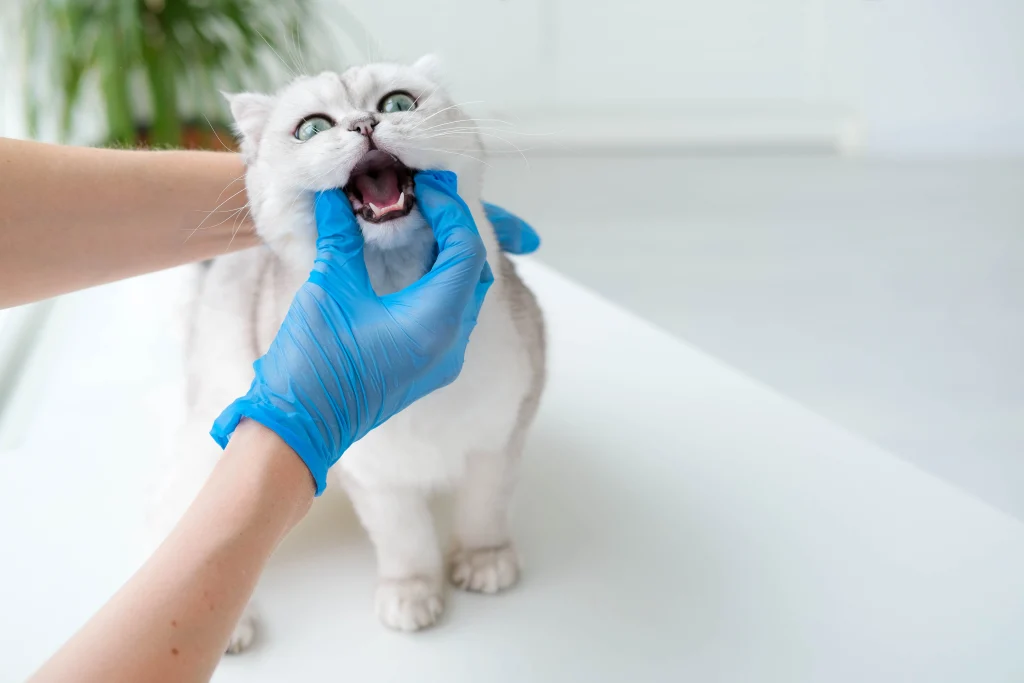
You can’t skip anesthesia, but you absolutely can shrink the bill over your pet’s lifetime. In rough order of impact:
Brush at home: Daily brushing with pet-safe toothpaste is the single most effective thing you can do. Even three times a week makes a measurable difference.
Use VOHC-accepted products: Dental chews, water additives, and diets carrying the Veterinary Oral Health Council seal have actually been tested.
Book cleanings on a schedule, not on a symptom: Bad breath is a late sign. Ask your vet to grade your pet’s teeth at each annual wellness exam and recommend a timeline.
Watch for dental promotions: Many Kelowna clinics offer discounts during Pet Dental Health Month in February. Bundle with other anesthetic procedures. If your pet needs a lump removed or a spay, ask whether a dental can be done in the same anesthetic event.
Book a Pet Dental Assessment at Spall & Harvey Animal Hospital
Every mouth is different, and the only way to get an accurate dental estimate is an oral exam. At Spall & Harvey Animal Hospital on, we’ll grade your pet’s teeth, walk you through exactly what we’d recommend and why, and give you an itemized estimate before anything is booked. No surprises, no pressure, and no judgment about how long it’s been. Book a dental assessment today and let’s find out what that breath is really trying to tell you.
Book Your Appointment
Big love starts with a little checkup—book your pet’s visit today and keep the tail wags coming.